

Perimenopause and Menopause: The Midlife Hormonal Tornado
By Amy Woods
Midlife hormones can feel like a surprise party you never agreed to host. One day you're fine, and the next you're awake at 3 a.m., sweating through pajamas, annoyed by everyone, and wondering why your jeans suddenly have opinions.
Perimenopause is the transition before menopause. Menopause is the point when you've gone 12 straight months without a period. In between, symptoms can show up early, change often, and make you ask, "Is this normal?" A lot of it is, and a lot of it is worth talking about.
What perimenopause and menopause actually mean, without the medical fog
Perimenopause is the years leading up to menopause, when estrogen and progesterone stop acting like reliable coworkers and start freelancing. Periods may get shorter, longer, heavier, lighter, or weirdly theatrical. Symptoms can start in the mid-40s, but some people notice changes in their late 30s or early 40s.
Menopause is not a long phase. It's a date on the calendar, diagnosed after 12 months without a period. After that, you're postmenopausal. If you want a plain-English refresher, Mayo Clinic's perimenopause overview explains the basics well.
This quick table helps sort out the timeline:
| Stage | What it means | What you might notice |
|---|---|---|
| Perimenopause | Hormones rise and fall unevenly | Cycle changes, mood shifts, sleep trouble, dryness |
| Menopause | 12 months since your last period | Periods stop, some symptoms peak or continue |
| Postmenopause | The years after menopause | Hot flashes may ease, dryness and body changes may linger |
The big catch is timing. There is no perfect clock. Some people skate through with mild symptoms. Others feel like their body changed the house rules overnight.
The timeline your hormones like to keep changing on you
Early on, you may still have monthly periods and assume everything is normal. Then the clues pile up. Maybe your cycle comes early twice, skips a month, or shows up with a dramatic entrance. Sleep gets lighter. Patience gets shorter. You feel warmer than the room suggests.
Perimenopause can last several years, often somewhere between two and eight, sometimes longer. Johns Hopkins Medicine notes that experiences vary a lot, which is why comparing yourself to a friend can be useless.
Why symptoms can feel random, even when your cycle still looks normal
Hormones don't wait for your period to become obviously irregular. Estrogen can swing up and down while your calendar still looks pretty tidy. That means you can have breast tenderness, anxiety, poor sleep, vaginal dryness, or hot flashes even if you're still bleeding every month.
So if you've been telling yourself, "It can't be perimenopause, my period is regular," your hormones may disagree.
The most common symptoms people really notice day to day
Hot flashes get all the headlines, but daily life usually gets interrupted by other things first. Fatigue, low mood, irritability, anxiety, sleep problems, and even digestive changes often show up before someone ever says the word menopause out loud.
Recent survey data in 2025 and 2026 has highlighted something many women already knew: exhaustion often steals the show. Hot flashes matter, but the nonstop tired feeling, short fuse, and fuzzy brain can be just as disruptive.
Hot flashes and night sweats that show up like uninvited guests
A hot flash can feel like someone turned your internal thermostat to "sauna" with no warning. Heat rushes through your chest, neck, and face. You may sweat, blush, and then feel chilled right after, because your body enjoys a dramatic exit.
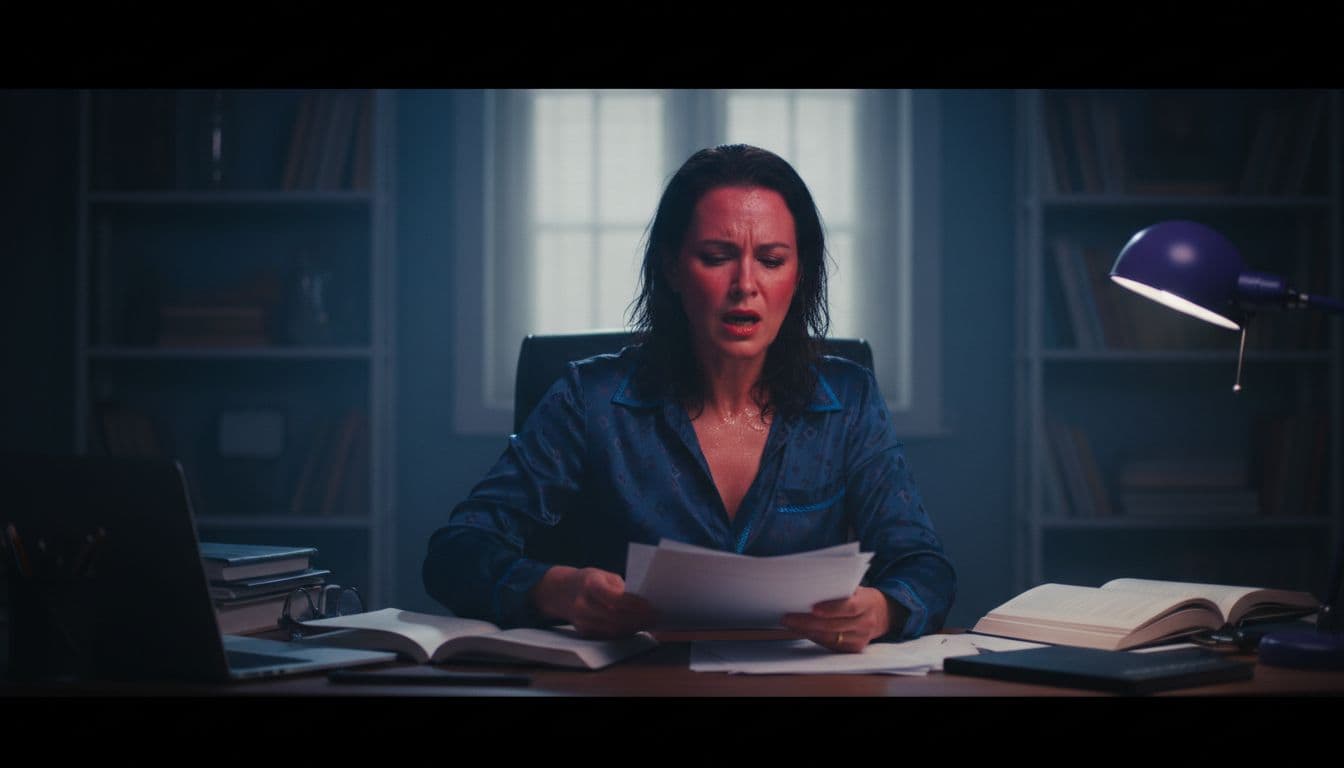
Night sweats are the same party, but at 2 a.m. They break sleep, soak sheets, and leave you dragging the next day. The NHS symptom guide gives a solid snapshot of how common these symptoms are and how long they can last.
Brain fog, mood swings, and the weird emotional roller coaster
Brain fog is not you "losing it." It's the maddening feeling of walking into a room and forgetting why, losing words mid-sentence, or staring at your laptop like it owes you an apology.
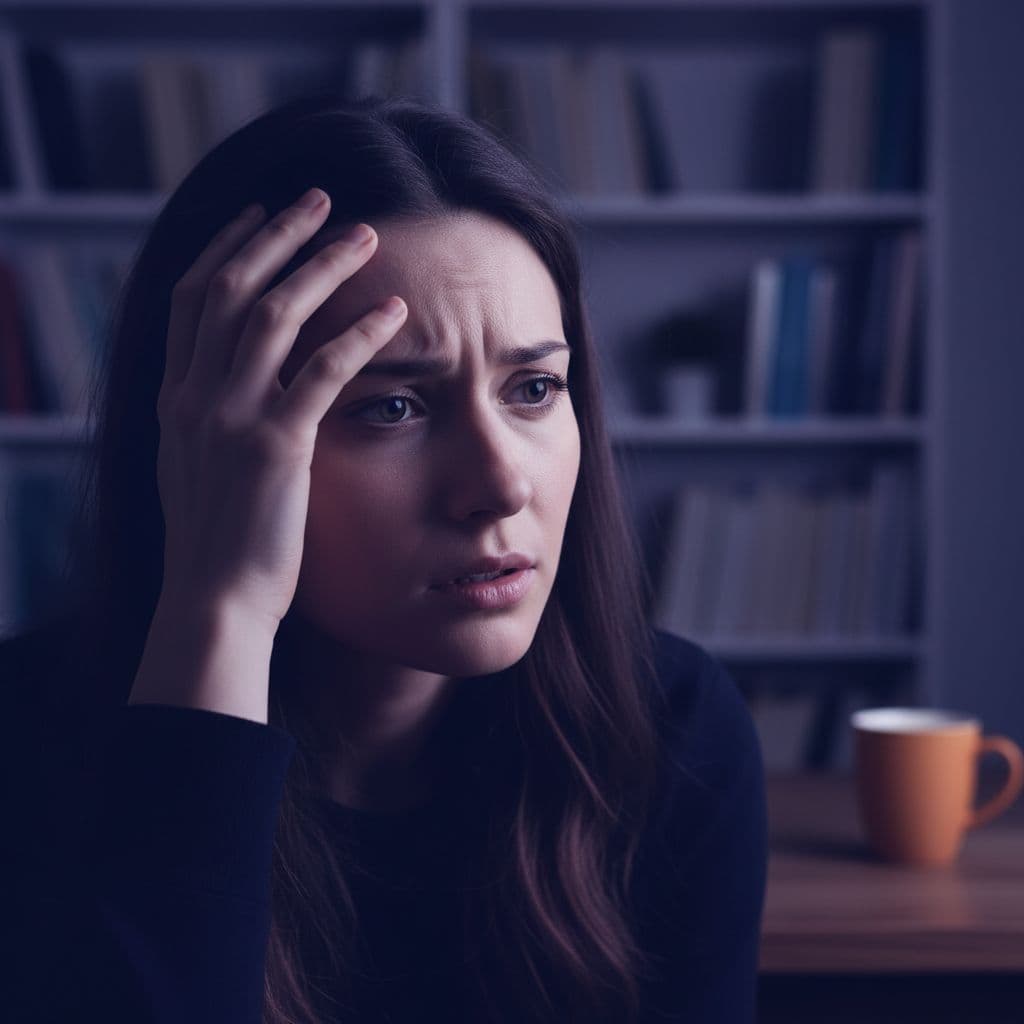
Mood changes can hit the same way. You may feel snappy, flat, teary, anxious, or unlike yourself. That doesn't mean you're weak or failing at life. It means your brain is reacting to hormone shifts, poor sleep, stress, and sometimes all three at once.
Sleep problems, exhaustion, and the never-ending tired vibe
Some people can't fall asleep. Others fall asleep fine, then wake up at 3:17 a.m. ready to organize a drawer or spiral about a text from 2019.
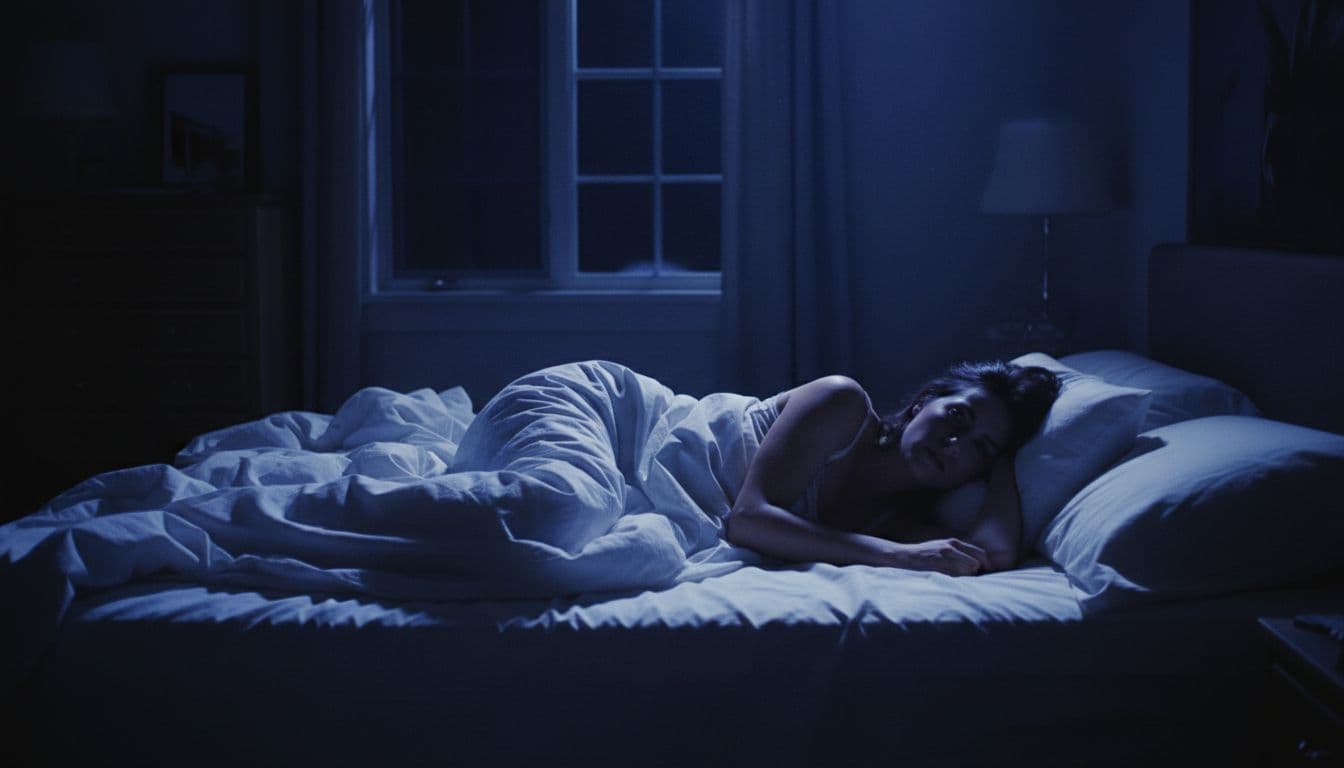
When sleep goes sideways, everything else gets louder. Patience gets thin. Hunger gets strange. Work feels harder. Even mild symptoms feel bigger when you're running on fumes.
Why vaginal dryness and lower intimacy can sneak into the picture
This part deserves more attention than it usually gets. Lower estrogen can make vaginal tissue thinner, drier, and less stretchy. As a result, sex may feel irritating, sharp, or like sandpaper in a place that should never feel like sandpaper.
That pain can change more than sex. It can make you avoid intimacy, dread spontaneity, or feel disconnected from your body. Recent midlife research also shows sexual well-being concerns are common, and reduced desire often travels with dryness and discomfort.
What vaginal dryness feels like and why it matters
Vaginal dryness isn't only about sex. It can feel like burning, itching, soreness, rawness, or irritation during daily life too. Tight clothes, long walks, workouts, and even sitting for a while can feel less comfortable.
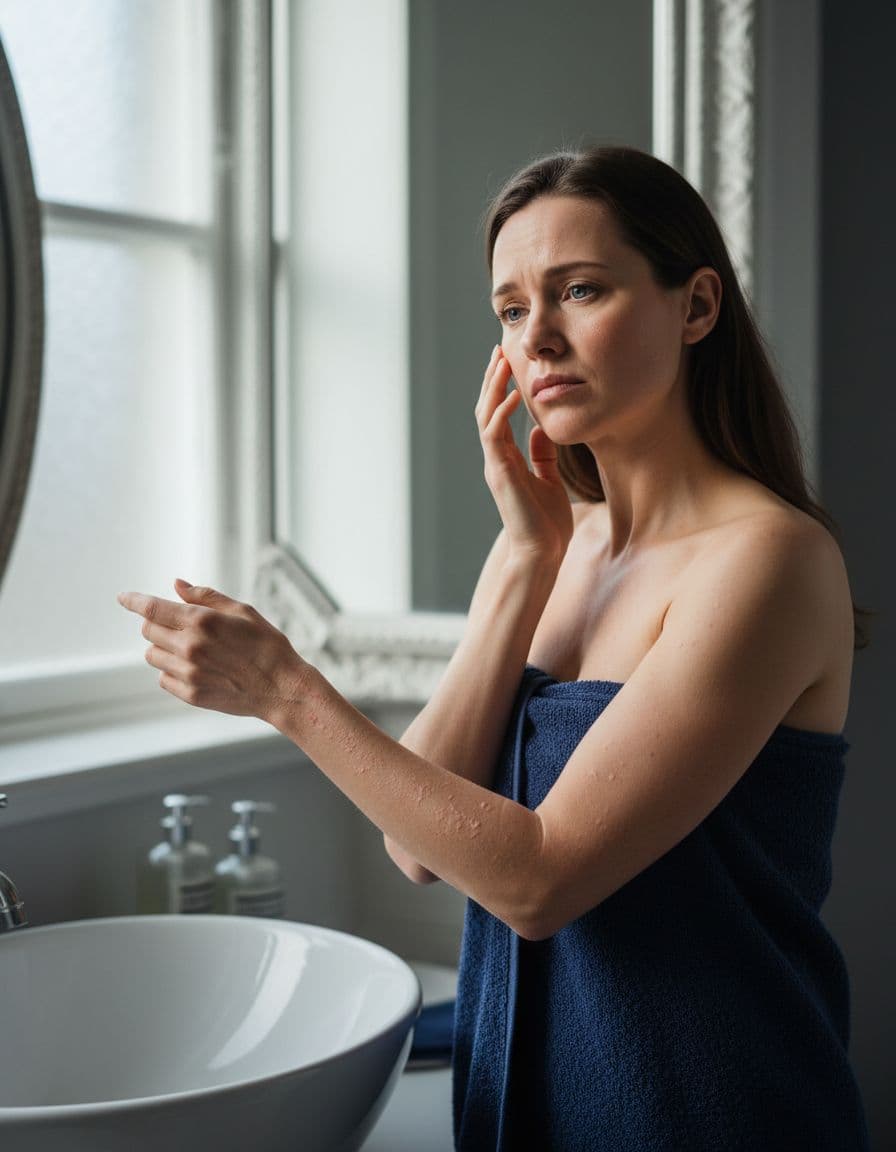
Pain with sex is common during perimenopause and menopause, but common does not mean you have to put up with it.
The good news is that dryness is treatable. Mayo Clinic's guidance on vaginal dryness covers practical options, including moisturizers, lubricants, and local estrogen.
How intimacy changes can affect relationships and confidence
When sex starts to hurt, desire often drops for a simple reason: your body is trying to protect you. That can look like lower interest, less arousal, or pulling away from closeness. Then shame can pile on, which helps exactly no one.

Partners may misread the change. You may misread yourself. Plenty of women worry that low desire means the spark is gone, when the real problem is discomfort, fatigue, stress, or feeling unfamiliar in their own skin.
Simple ways to make sex and comfort better again
Start with less shame and more honesty. A good lubricant can reduce friction right away. A vaginal moisturizer can help tissues stay more comfortable between sex, not only during it. If symptoms keep going, ask a clinician about local vaginal estrogen, which can help dryness, pain, and some urinary symptoms.
You don't need to wait until things are miserable. Small fixes often work best when you start early.
How your body can feel like it changed the rules overnight
Many women notice body changes before they connect them to perimenopause. The scale shifts. Rings feel tighter. Skin gets drier. Joints start talking back. You catch your reflection and think, "When did this happen?"
Your body is not betraying you. It is responding to hormone changes, aging, sleep loss, stress, and changes in muscle and fat distribution. That mix is real.
Weight gain, bloating, and the pants that suddenly got opinionated
Weight can shift around the middle even if your habits haven't changed much. Bloating may come and go, which makes your waistband feel like a personal critic by lunch.
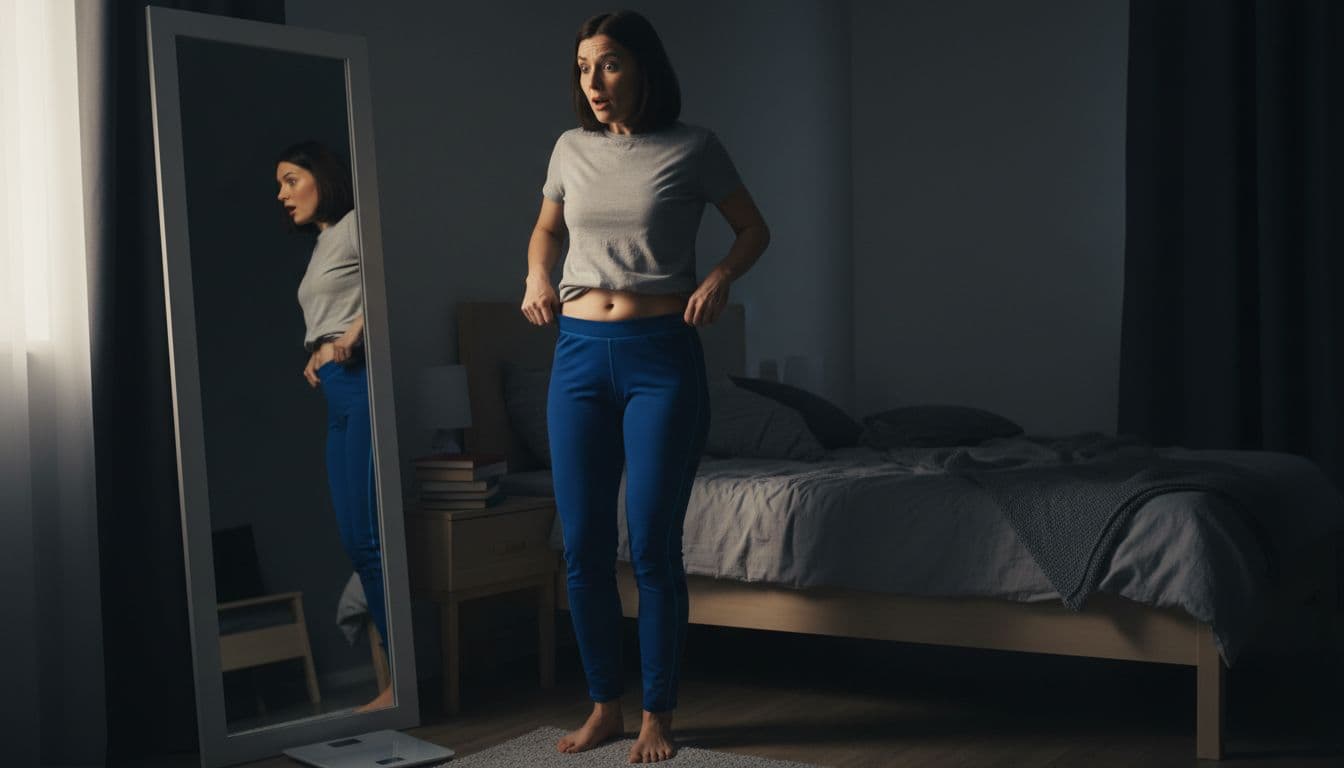
This is common, and it isn't a moral failure. Hormones affect where the body stores fat, how hungry you feel, and how well you recover from poor sleep. So the old tricks may stop working as well.
Hair, skin, and joint changes that show up in the mirror and the morning stretch
Hair may thin at the crown while a random chin hair arrives with far too much confidence. Skin can feel drier and less bouncy. Joints may ache more when you get out of bed or after sitting too long.
None of that is "all in your head." These are common midlife changes, and they deserve the same attention as hot flashes.
What can help you feel better, from lifestyle shifts to medical care
You do not need to white-knuckle your way through this phase. Relief can come from daily habits, targeted products, therapy, medication, or a mix of those. The best choice depends on your symptoms, health history, and what matters most to you.
Hormone therapy and when it may be worth asking about it
For many women, hormone therapy is the most effective treatment for hot flashes, night sweats, sleep disruption, and some mood symptoms. It can also help vaginal dryness, although local vaginal treatment is often used when dryness is the main complaint.
If you're curious, Mayo Clinic's hormone therapy overview explains how doctors weigh benefits and risks. Updated medical guidance has also become more balanced in recent years, and AAFP's 2026 review of menopause management reflects that shift.
Nonhormonal options and everyday habits that can still make a difference
You have options even if hormone therapy isn't right for you, or you don't want it. A few basics help more than they sound like they should:
- Keep your bedroom cool, and dress in layers you can peel off fast.
- Use vaginal moisturizers regularly, not only when sex is on the calendar.
- Add lubricant before sex, because friction is not a personality test.
- Move most days, even if it's walking, strength training, or stretching.
- Protect sleep with a steady bedtime, less alcohol late at night, and less scrolling in bed.
- Drink enough water, because dry tissues and poor sleep both feel worse when you're dehydrated.
If symptoms affect your mood, sex life, work, or sleep, bring a list to your appointment. That makes it easier to get real help, faster.
Conclusion
Perimenopause and menopause are normal life stages, but the symptoms are not small. Dryness, lower intimacy, body changes, mood shifts, and sleep trouble are common, and they deserve real attention.
The strongest takeaway is simple: you are not imagining this. Your body may feel unfamiliar for a while, but support exists, treatments exist, and this chapter gets less confusing once you know what you're looking at.
Getting help can turn a hormone mystery novel into a much shorter, much less annoying read.

0 comments